Diet for Epilepsy Patients: Foods to Eat and Avoid
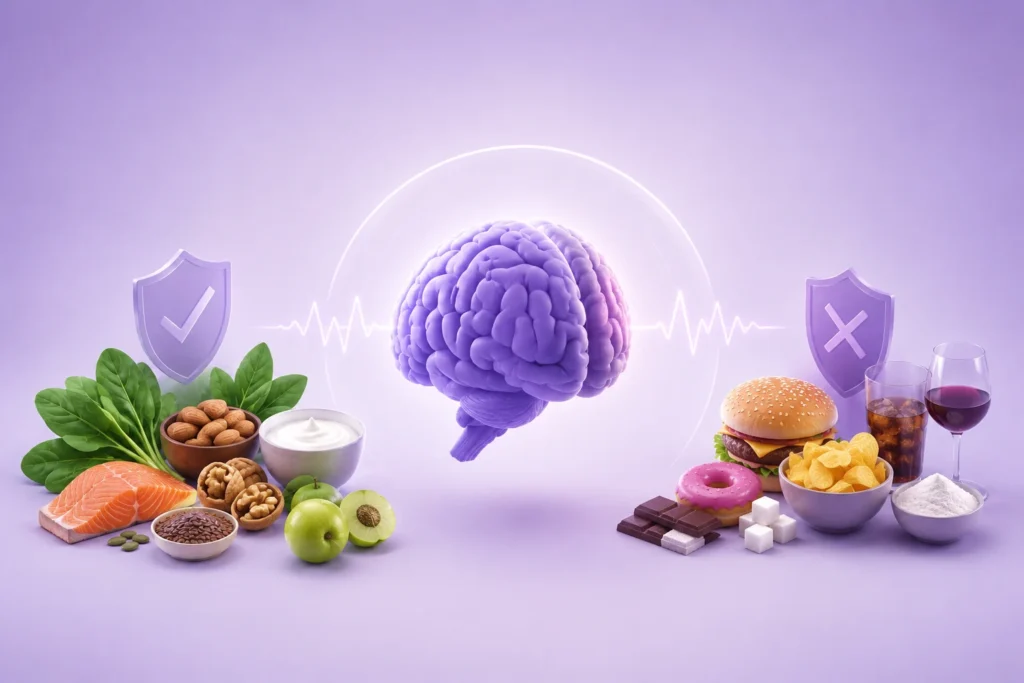
Epilepsy patients benefit from magnesium-rich, omega-3, and antioxidant foods while avoiding refined sugar, alcohol, and artificial additives. The ketogenic diet is the most evidence-backed seizure diet but requires neurologist and dietitian supervision before starting.
Early Diagnosis Saves Lives - Book an Appointment Today with Dr Satyakam Baruah!
What Is the Link Between Diet and Epilepsy?
What you eat directly affects your brain’s electrical stability.
The brain runs on glucose. When blood sugar spikes and crashes – from sugary snacks, skipped meals, or refined carbs – it can destabilise the delicate chemical balance that keeps seizures in check. Certain nutrients, on the other hand, calm nerve excitability and reduce inflammation in brain tissue.
Diet is a complement to anti-epileptic drugs (AEDs), not a replacement. Medication remains the cornerstone of epilepsy management. But the right epilepsy diet can reduce seizure frequency, improve medication effectiveness, and support overall brain health.
For patients in India, this matters in a very practical way. Our diets are heavy in refined carbohydrates – white rice, maida, sugary chai, packaged snacks – which can work against seizure control. The good news: traditional Indian foods like ghee, dal, leafy greens, and spices like turmeric are naturally aligned with an epilepsy-friendly eating pattern.
The Ketogenic Diet for Epilepsy: Does It Work?
Yes – and it has decades of clinical evidence behind it.
The ketogenic diet epilepsy connection is one of the best-studied diet-disease relationships in neurology. The diet is high in fat (roughly 70–80% of calories), very low in carbohydrates, and moderate in protein. When carbohydrate intake drops this low, the body shifts from burning glucose to burning fat – producing molecules called ketones.
How Does Ketosis Reduce Seizures?
Ketones are an alternative brain fuel. They appear to stabilise neuronal activity, reduce excitatory signalling, and lower the frequency of abnormal electrical discharges. The exact mechanism is still being studied, but the clinical results are consistent: a 2024 systematic review found that ketogenic dietary therapies significantly increased the odds of ≥50% seizure reduction compared to standard care, particularly in children (PMC, 2024).
Who Benefits Most?
- Children with drug-resistant epilepsy – the strongest evidence base
- Adults with focal epilepsy not controlled by two or more AEDs
- Specific syndromes: Dravet syndrome, Lennox-Gastaut syndrome, infantile spasms, Glut1 deficiency
- Patients who are not surgical candidates
The ILAE (International League Against Epilepsy) recommends considering ketogenic dietary therapy after two anti-seizure medications have failed – it is not a last resort, it is a recognised treatment option.
Critical: This Diet Requires Medical Supervision
The ketogenic diet is not a lifestyle trend you try from a YouTube video. It requires:
- Baseline blood tests and monitoring
- A registered dietitian to calculate exact ratios
- Regular follow-up with your neurologist
- Vitamin and mineral supplementation (especially calcium, vitamin D, and multivitamins)
Do not start a ketogenic diet for epilepsy on your own.
Indian Keto-Friendly Foods
The good news for Indian families: many of our everyday foods work beautifully in a ketogenic plan.
- Healthy fats: Ghee, coconut oil, mustard oil, butter
- Protein: Eggs, paneer, chicken, fish (rohu, surmai, salmon)
- Nuts and seeds: Almonds, walnuts, pumpkin seeds, flaxseeds (alsi), sesame seeds (til)
- Vegetables (non-starchy): Palak, methi, lauki, tinda, shimla mirch, broccoli, cauliflower
- Dairy: Full-fat curd, cream, cheese
Other Epilepsy-Friendly Diets
Not everyone can follow the strict classic ketogenic diet. Two more flexible options are well-supported by evidence.
Modified Atkins Diet (MAD)
Easier to follow, especially for adults and older children.
MAD allows roughly 10–20 g of net carbohydrates per day – more flexible than classic keto. Fat is encouraged but not measured in exact ratios. Studies from India (Annals of Indian Academy of Neurology, 2016) have shown MAD to be effective and well-tolerated in Indian patients, with about 40–50% of patients achieving meaningful seizure reduction.
Low Glycaemic Index Treatment (LGIT)
Focuses on keeping blood sugar stable rather than inducing deep ketosis.
LGIT allows foods with a glycaemic index below 50 – whole grains, legumes, most vegetables, nuts. It is the most flexible of the three diets and easiest to sustain long-term. It works by preventing the blood sugar swings that can lower the seizure threshold.
Quick Comparison
| Diet | Fat % | Carbs | Supervision Needed | Best For |
| Classic Keto | ~70–80% | Very low (<20 g/day) | Mandatory (dietitian + neurologist) | Children, drug-resistant epilepsy |
| Modified Atkins | ~60–65% | Low (10–20 g/day) | Recommended | Adults, teens, outpatient settings |
| LGIT | ~40–60% | Moderate (low-GI only) | Recommended | Adults, long-term maintenance |
Foods to Eat: What Helps Epilepsy Patients
Build your plate around these nutrients – and you’ll find most of them in your local market.
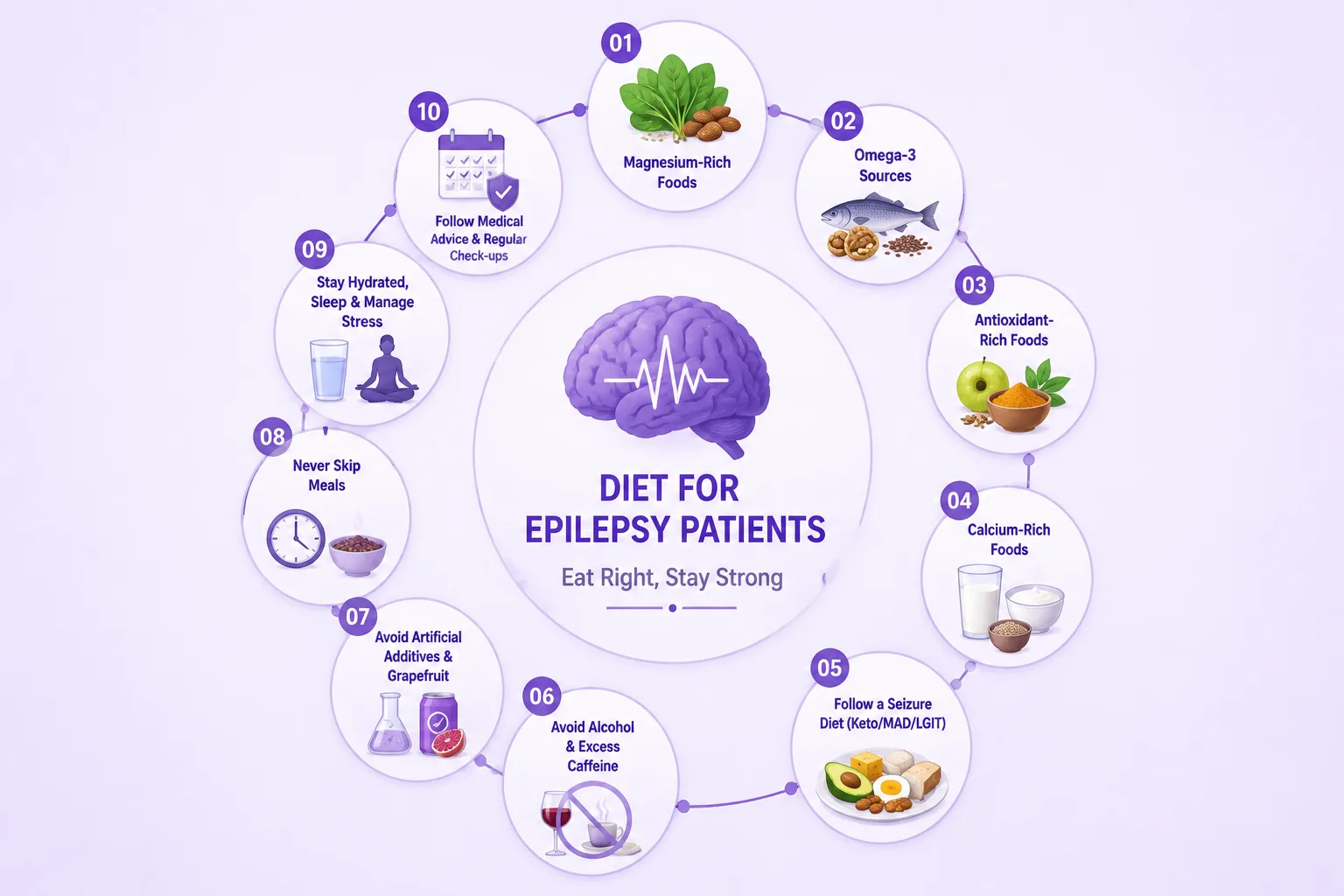
Magnesium-Rich Foods
Magnesium has a calming effect on nerve activity. Low magnesium is linked to increased seizure risk.
- Palak (spinach), methi (fenugreek leaves)
- Almonds, pumpkin seeds
- Banana, dark chocolate (in moderation)
Omega-3 Fatty Acids
Anti-inflammatory and brain-protective. Research suggests omega-3s may help reduce seizure frequency.
- Flaxseeds (alsi) – grind and add to roti dough or chutneys
- Walnuts – a daily handful is enough
- Fatty fish: rohu, katla, surmai, salmon
Vitamin B6 Foods
B6 supports the production of GABA, the brain’s main calming neurotransmitter.
- Chickpeas (chana), rajma
- Potatoes (boiled, not fried)
- Bananas
Antioxidant-Rich Foods
Oxidative stress contributes to neuronal damage in epilepsy. Antioxidants help counter this.
- Turmeric (haldi) – add to milk, dal, sabzi; curcumin has documented neuroprotective properties
- Amla – one of the richest natural sources of Vitamin C
- Berries, dark leafy greens, tomatoes
Calcium and Vitamin D
Especially important for patients on long-term AEDs, which can deplete bone density over time.
- Dairy: milk, curd, paneer
- Ragi (finger millet) – excellent non-dairy calcium source
- Sesame seeds (til)
- Sunlight exposure for 15–20 minutes daily
Foods to Avoid: What Can Trigger Seizures
These are the foods to avoid for epilepsy patients – some directly lower the seizure threshold, others interfere with medication.
- Refined Sugar and High-GI Foods
Maida (white flour), white rice in large portions, mithai, soft drinks, packaged biscuits – these cause rapid blood sugar spikes followed by crashes. That instability in glucose supply is a known seizure trigger. - Swap Brown rice, jowar, bajra, whole wheat, oats.
- Alcohol lowers the seizure threshold significantly – even a small amount. It also interferes with how AEDs are metabolised. Avoid completely.
- Excess Caffeine
Two to three cups of tea or coffee a day is generally tolerated by most patients. But energy drinks, strong filter coffee in large quantities, and caffeine-heavy supplements can increase neuronal excitability. Watch your intake. - Artificial Additives
MSG (found in many packaged snacks, instant noodles, Chinese restaurant food) and aspartame (in diet sodas and sugar-free products) are potential neurological triggers. The evidence is not conclusive, but many neurologists advise caution. - Grapefruit
Grapefruit and grapefruit juice interact with several AEDs – including carbamazepine and some others – by affecting liver enzymes that metabolise the drug. This can raise drug levels unpredictably. Avoid if you are on AEDs. - Skipping Meals and Fasting
- Hypoglycaemia (low blood sugar) is a well-documented seizure trigger
Never skip meals. If you fast for religious reasons, discuss this with your neurologist in advance – adjustments to medication timing may be needed.
Struggling with Seizures, Persistent Headaches, or Other Neurological Symptoms?
A Sample Indian Epilepsy-Friendly Day of Eating
This is a general template, not a prescription. Portion sizes and exact foods should be personalised by a registered dietitian based on your weight, medication, and seizure type.
| Time | What to Eat |
| Morning | Warm water + 5–6 soaked almonds |
| Breakfast | 2 eggs with sautéed vegetables in ghee OR 1 paneer paratha (whole wheat, moderate size) with a teaspoon of ghee + curd |
| Mid-morning | Small handful of walnuts OR 1 tsp flaxseed chutney |
| Lunch | Dal (any) + palak/methi sabzi + 1 small portion brown rice OR 1–2 jowar/bajra rotis + curd |
| Evening snack | Roasted pumpkin seeds OR 1 small banana |
| Dinner | Grilled fish or chicken curry OR paneer curry + salad + 1 whole wheat roti |
| Bedtime | Warm haldi doodh (turmeric milk) |
Key principles behind this plan:
- No meal is skipped
- Refined carbs are minimised, not eliminated
- Healthy fats (ghee, nuts) are present at every meal
- Magnesium, omega-3s, and antioxidants are spread across the day
Lifestyle Tips That Work Alongside Diet
Diet alone is not enough. These habits work in combination with the right epilepsy patients diet.
- Regular meal timing: Eat at consistent times every day. Irregular eating patterns destabilise blood sugar.
- Adequate sleep: Sleep deprivation is one of the most powerful seizure triggers known. Aim for 7–8 hours. Consistent sleep and wake times matter.
- Hydration: Dehydration can lower the seizure threshold. Drink 8–10 glasses of water daily. Avoid replacing water with sugary drinks.
- Stress management: Chronic stress raises cortisol, which can increase seizure susceptibility. Yoga, pranayama (breathing exercises), and meditation are practical, evidence-supported options for Indian patients.
- Medication compliance: This cannot be overstated. Diet supports your AEDs – it does not replace them. Never reduce or stop medication based on dietary improvements without consulting your neurologist.
When to See a Doctor About Your Epilepsy Diet
See your neurologist or epilepsy specialist if:
- You are experiencing breakthrough seizures despite being on medication
- You have noticed weight changes, fatigue, or digestive issues after dietary changes
- You want to try the ketogenic diet or MAD – these must be started under supervision
- You are on long-term AEDs and have not had a bone density check or nutritional blood panel recently
- You are pregnant or planning to become pregnant – nutritional needs change significantly
The ketogenic diet for epilepsy is a medical intervention. Starting it without guidance risks nutritional deficiencies, medication interactions, and in some cases, worsening of seizure control.
If you are looking for a personalised epilepsy management plan that integrates diet, medication, and – where needed – surgical options, consult Dr. Satyakam Baruah at Amrita Hospital, Faridabad. With over 2,000 epilepsy patients treated and specialised training from the Montreal Neurological Institute, Dr. Baruah offers comprehensive, evidence-based care tailored to each patient’s needs.
Useful Sources
1. Epilepsy Foundation (USA) — Ketogenic Diet overview and dietary therapies:
epilepsy.com/treatment/dietary-therapies/ketogenic-diet
2. ILAE (International League Against Epilepsy) — Ketogenic Diet Therapies patient care page:
ilae.org/patient-care/ketogenic-diet-therapies
3. PMC / NIH — Diet in the Treatment of Epilepsy: What We Know So Far (2020):
pmc.ncbi.nlm.nih.gov/articles/PMC7551815
4. PMC / NIH — 2024 systematic review on dietary interventions and seizure reduction:
pmc.ncbi.nlm.nih.gov/articles/PMC11085120
5. Annals of Indian Academy of Neurology — Modified Atkins Diet efficacy in Indian patients (2016):
journals.lww.com/annalsofian/fulltext/2016/19040/efficacy_and_tolerability_of_the_modified_atkins.21.aspx

 WhatsApp