Epilepsy Support Groups in India: Finding Community and Help
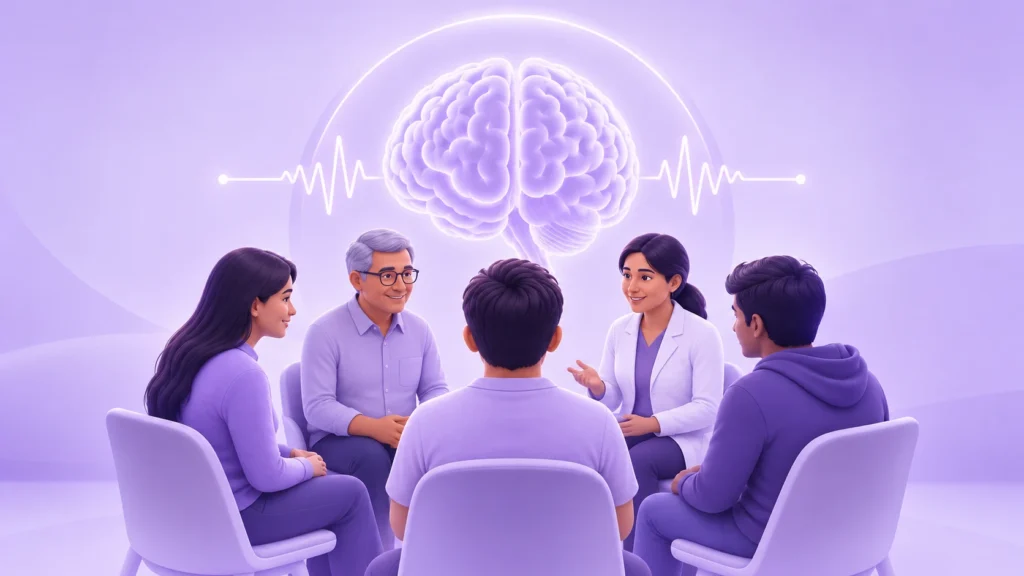
Epilepsy support groups in India connect patients and caregivers with peer support, practical advice, and emotional relief. Major options include the Indian Epilepsy Association, Epilepsy Foundation India, SoulUp, and online communities. Both in-person and virtual groups are available across India.
Early Diagnosis Saves Lives - Book an Appointment Today with Dr Satyakam Baruah!
Why Support Groups Matter for People with Epilepsy
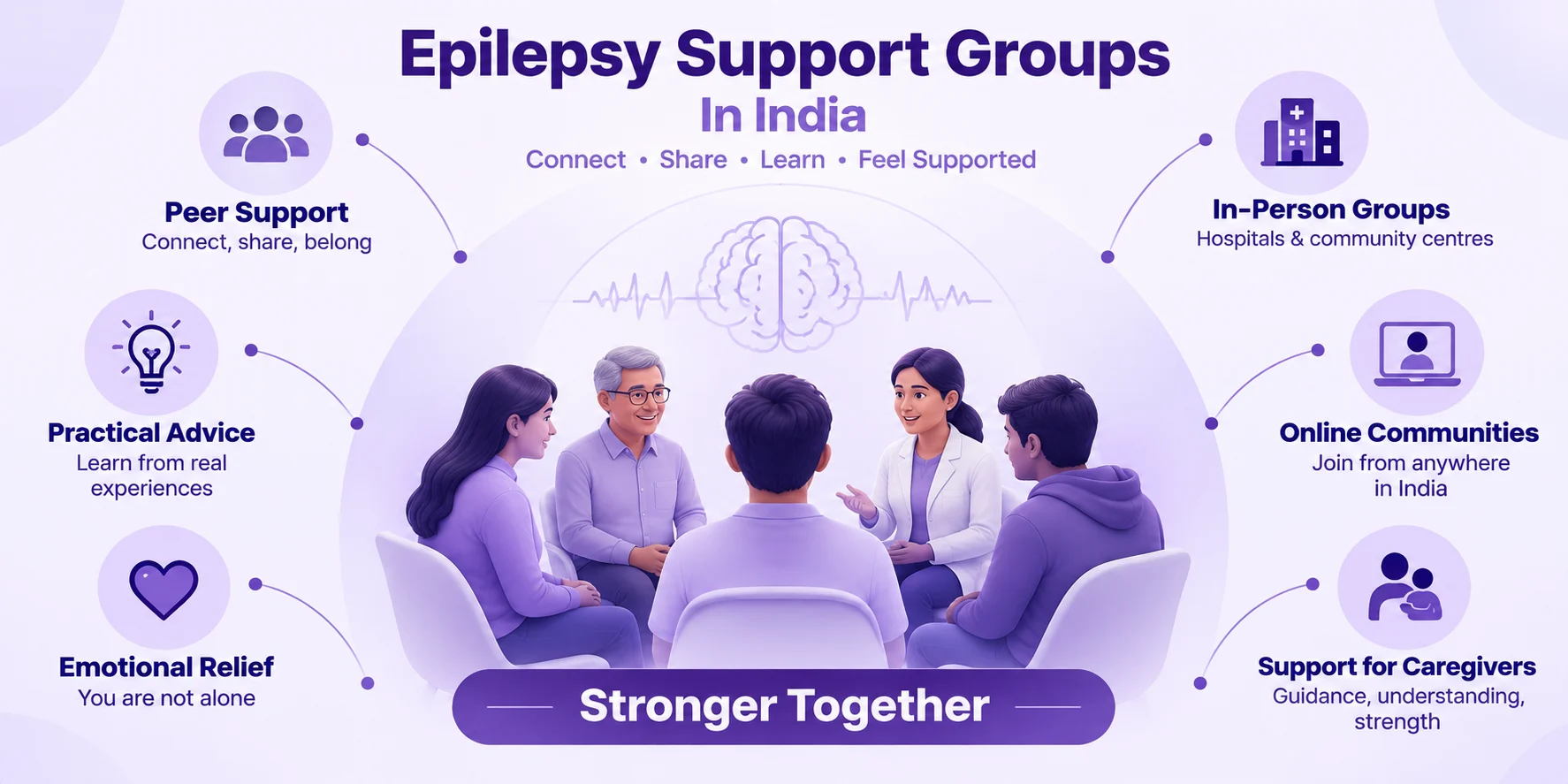
Epilepsy carries a heavy emotional burden beyond the seizures themselves. Stigma, fear of judgment, and social withdrawal are daily realities for millions living with epilepsy India – and that silence makes everything harder to bear.
Caregiver support for epilepsy is equally critical. Family members often carry enormous stress with little acknowledgment. Support groups provide a safe space where both patients and caregivers can speak honestly, without shame or fear.
Types of Epilepsy Support Groups Available in India
- In-person groups meet regularly at hospitals, community centres, or NGO offices. These allow face-to-face connection, which many people find more meaningful than any digital alternative for building lasting trust.
- Online epilepsy support group India options – via WhatsApp, Zoom, or dedicated platforms – remove geography as a barrier. Someone in a small town can access the same quality of peer support as someone in Mumbai or Delhi.
- Hospital-based and caregiver-only groups serve specific needs. Some focus entirely on caregivers; others are run by neurologists or trained counsellors who align their guidance with Indian Epilepsy Society guidelines, offering a clinically informed, nationally consistent framework for discussion.
Major Epilepsy Support Groups and NGOs in India
India has several well-established epilepsy NGO India organisations offering structured support. Many also run an epilepsy helpline India service or direct patients to one, and can help you locate an Epilepsy Foundation near me affiliate or a regional chapter in your state. Here are the key ones to know:
- Indian Epilepsy Association (epilepsyindia.org) – Holds support group meetings on the 2nd and 4th Saturdays and Tuesdays every month; one of India’s oldest and most active epilepsy association India networks.
- Epilepsy Foundation India (epilepsyfoundationindia.com) – A non-profit charitable organisation running the “Adopt a Patient” initiative to support underserved patients with medication and counselling access.
- Epilepsy Sparks (epilepsysparks.com) – An advocacy and awareness platform listing epilepsy organisations across India, useful for finding local and regional groups.
- SoulUp (soulup.in) – Offers therapist-led online epilepsy support group India sessions via video call, open to both patients and caregivers seeking structured, professional-facilitated support.
- Samman Association (epilepsymumbai.org) – Mumbai-based, founded in 1972, and one of India’s longest-running seizure support group organisations dedicated to empowering people with epilepsy and their families.
Finding Epilepsy Support Groups in Delhi NCR
Delhi NCR has a growing network of epilepsy patient group Delhi options. Most people first search for something like “epilepsy support groups near me” before discovering that both hospital-affiliated groups and chapter meetings of national organisations like the Indian Epilepsy Association are already active across Faridabad, Gurgaon, and Noida.
Several tertiary hospitals in the region run structured epilepsy programmes that connect patients to local support networks. Patients under the care of Dr. Satyakam Baruah at Amrita Hospital, Faridabad, for example, are routinely connected to local support networks as part of their holistic epilepsy management.
Online Epilepsy Communities: Support Without Borders
Online epilepsy support group India options have expanded significantly since 2020. WhatsApp groups, Facebook communities, and YouTube epilepsy channels now reach patients in every corner of the country, regardless of location or mobility.
SoulUp’s video sessions stand out for being therapist-led rather than peer-only. This structure helps participants process difficult emotions safely.Indian neurologists are also making a real difference through free educational content on YouTube – Dr. Satyakam Barua’s Youtube channel is a notable example, offering clear, trustworthy guidance on epilepsy management that has made quality neurological education more accessible to the broader epilepsy community across India.
How to Start an Epilepsy Support Group in Your City
Starting a seizure support group begins with finding a hospital or clinic willing to provide a meeting space. A neurologist’s endorsement lends credibility and helps attract members who may otherwise hesitate to join.
Next, contact the Indian Epilepsy Association to affiliate your group with an established epilepsy association India network. Pursuing Indian Epilepsy Society membership is also worth considering – it connects organisers and clinicians to national peer networks and keeps the group aligned with current care standards. Set a fixed monthly schedule, promote via WhatsApp, and keep early meetings small and focused on listening.
Struggling with Seizures, Persistent Headaches, or Other Neurological Symptoms?
What to Expect at Your First Epilepsy Support Group Meeting
First-time attendees often arrive anxious, unsure what to expect. Most groups open with brief introductions, followed by open sharing – but there is never any pressure to speak. Listening is entirely valid participation.
Confidentiality is standard in well-run groups. What is shared in the room stays there. Hearing peer stories from others living with epilepsy India is often the most powerful part – the simple realisation that you are not alone.
Supporting a Loved One with Epilepsy: Caregiver Resources
Caregiver fatigue is real and underreported. Family members managing seizure first aid, medication schedules, and emotional support often reach a breaking point without anyone noticing. Caregiver-specific groups exist precisely for this reason – and many also help families understand what epilepsy government support is available, from disability certificates under the RPwD Act to health scheme benefits that NGOs actively help patients navigate.
Organisations like SoulUp, Samman Association, and Epilepsy Foundation India offer caregiver support for epilepsy sessions separate from patient groups. Neurologists like Dr. Satyakam Baruah routinely recommend caregiver support as a core component of comprehensive epilepsy management, not an optional add-on.

 WhatsApp